

Living Well with Diabetes: Your Guide to Prevention, Management, and Thriving on World Diabetes Day

November 14th marks World Diabetes Day—a global reminder that diabetes affects millions, but it doesn't have to control your life. Whether you're trying to prevent diabetes, recently diagnosed, or managing it for years, understanding this condition empowers you to take charge of your health.
The numbers are sobering: diabetes cases have quadrupled in the last three decades, and many people are living with prediabetes without even knowing it. But here's the good news—type 2 diabetes is largely preventable, and even if you have it, proper management can help you live a full, active life.

Understanding Diabetes: What's Really Happening?
Think of diabetes as your body's struggle with blood sugar regulation. When you eat, your body breaks down food into glucose (sugar) that enters your bloodstream. Your pancreas releases insulin, a hormone that acts like a key, unlocking your cells so glucose can enter and provide energy.
In type 2 diabetes (the most common form), your cells become resistant to insulin, or your pancreas doesn't produce enough. The result? Sugar builds up in your blood instead of fueling your cells. Over time, high blood sugar damages blood vessels, nerves, and organs throughout your body.
Type 1 diabetes is different—it's an autoimmune condition where your body attacks the insulin-producing cells in your pancreas. It's not preventable and requires lifelong insulin therapy.
Gestational diabetes occurs during pregnancy and usually resolves after delivery, though it increases the risk of developing type 2 diabetes later.
Are You at Risk? Know the Warning Signs

Many people have prediabetes or early diabetes without realizing it. Watch for these signs:
Increased thirst and frequent urination (especially at night)
Unexplained weight loss despite eating normally
Constant fatigue and low energy
Blurred vision that comes and goes
Slow-healing cuts or wounds
Frequent infections, particularly skin or urinary tract infections
Tingling or numbness in hands or feet
Dark patches of skin, especially around the neck or armpits
Your risk is higher if you're overweight, physically inactive, over 45, have a family history of diabetes, have high blood pressure or cholesterol, had gestational diabetes, or belong to certain ethnic groups (South Asian, African, Caribbean, or Hispanic heritage).
Prevention: Your Most Powerful Tool
The beautiful truth about type 2 diabetes? It's largely preventable through lifestyle choices. Even if you have prediabetes, you can often reverse it before it progresses.
Maintain a healthy weight. Even losing 5-10% of your body weight significantly reduces your diabetes risk. This doesn't mean crash diets—sustainable, gradual weight loss through healthy eating and activity is what works.
Move your body regularly. Aim for at least 150 minutes of moderate exercise weekly—that's just 30 minutes, five days a week. Walking, swimming, cycling, dancing—whatever gets you moving counts. Exercise helps your cells use insulin more effectively and lowers blood sugar naturally.
Eat smart, not restrictively. You don't need a perfect diet, just a better one. Focus on whole foods—vegetables, fruits, whole grains, lean proteins, and healthy fats. Limit processed foods, sugary drinks, and refined carbohydrates that spike your blood sugar.
Stay hydrated with water. Sugary drinks are a major contributor to diabetes risk. Replace sodas, sweetened teas, and fruit juices with water, unsweetened tea, or sparkling water with a splash of lemon.
Manage stress actively. Chronic stress elevates cortisol, which raises blood sugar and promotes insulin resistance. Find healthy stress outlets—meditation, yoga, hobbies, time with loved ones, or whatever helps you decompress.
Prioritize sleep. Poor sleep disrupts hormones that regulate hunger and blood sugar. Aim for 7-9 hours of quality sleep nightly.
Don't smoke. Smoking increases insulin resistance and diabetes risk. If you smoke, quitting is one of the best things you can do for your overall health.
Essential Tests: Know Your Numbers
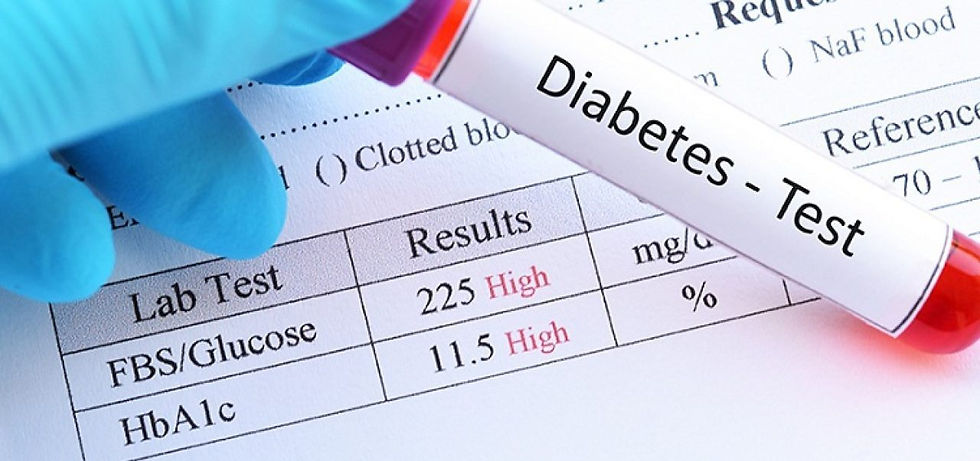
Regular screening catches diabetes early when it's most manageable. Here are the key tests:
Fasting Blood Glucose (FBG): Measures blood sugar after an overnight fast. Normal is below 100 mg/dL. Prediabetes is 100-125 mg/dL. Diabetes is 126 mg/dL or higher on two separate tests.
HbA1c (Glycated Hemoglobin): Shows your average blood sugar over the past 2-3 months. Normal is below 5.7%. Prediabetes is 5.7-6.4%. Diabetes is 6.5% or higher. If you have diabetes, this test should be done every 3-6 months.
Oral Glucose Tolerance Test (OGTT): Measures how your body processes sugar. You drink a sweet liquid, and your blood sugar is tested at intervals. It's particularly useful for diagnosing prediabetes and gestational diabetes.
Random Blood Sugar Test: Can be done anytime. A reading of 200 mg/dL or higher suggests diabetes, especially with symptoms.
Additional tests for those with diabetes:
Lipid profile (cholesterol and triglycerides) annually
Kidney function tests (serum creatinine, urine albumin) annually
Eye examination (retinal screening) annually
Foot examination regularly
Blood pressure monitoring at every visit
If you're over 45, get screened every three years. If you have risk factors, start screening earlier and more frequently.
The Diabetes-Friendly Diet: Eating for Better Blood Sugar

Forget everything you've heard about bland, restrictive diabetes diets. Eating well with diabetes means making smart choices that keep your blood sugar stable while enjoying food.
Embrace the plate method. Fill half your plate with non-starchy vegetables (leafy greens, broccoli, peppers, tomatoes). One quarter should be lean protein (fish, chicken, tofu, legumes). The remaining quarter is for complex carbohydrates (brown rice, quinoa, sweet potato, whole grain bread).
Choose complex carbohydrates. They digest slowly, preventing blood sugar spikes. Opt for whole grains, legumes, and starchy vegetables over white bread, white rice, and sugary foods.
Don't fear healthy fats. Avocados, nuts, seeds, olive oil, and fatty fish support heart health and help you feel satisfied. Just watch portions since fats are calorie-dense.
Protein is your friend. It stabilizes blood sugar and keeps you full. Include protein at every meal—eggs, Greek yogurt, chicken, fish, beans, lentils, nuts.
Fiber is crucial. It slows sugar absorption and improves blood sugar control. Aim for 25-30 grams daily from vegetables, fruits, whole grains, and legumes.
Watch your portions. Even healthy foods raise blood sugar if you eat too much. Use smaller plates, measure portions initially until you learn what appropriate serving sizes look like, and eat slowly.
Time your meals consistently. Eating at similar times daily helps regulate blood sugar. Don't skip meals, especially if you take diabetes medication.
Limit these foods:
Sugary drinks and fruit juices
White bread, white rice, and refined grains
Fried and heavily processed foods
Sweets, candies, and desserts (save for occasional treats in small portions)
High-sodium foods
Smart snack choices:
Apple slices with almond butter
Raw vegetables with hummus
A handful of nuts
Greek yogurt with berries
Boiled egg
Roasted chickpeas
Staying Fit: Exercise as Medicine
Physical activity is one of the most powerful tools for managing diabetes. It lowers blood sugar immediately and improves insulin sensitivity over time.
Aerobic exercise (walking, jogging, swimming, cycling) burns glucose for energy and improves cardiovascular health. Start with 10-15 minutes daily and gradually increase.
Strength training (weights, resistance bands, bodyweight exercises) builds muscle, which uses more glucose even at rest. Aim for 2-3 sessions weekly.
Flexibility and balance exercises (yoga, tai chi, stretching) reduce stress, prevent falls, and improve overall function.
Practical tips:
Check your blood sugar before and after exercise to see how it affects you
Carry a fast-acting carbohydrate (glucose tablets, juice box) in case of low blood sugar
Stay hydrated before, during, and after exercise
Wear proper footwear and check your feet after exercise
Start slowly if you've been inactive and gradually increase intensity
Find activities you enjoy so you'll stick with them
How Tamboli Charitable Trust Can Help You
At Tamboli Charitable Trust, we understand that diabetes isn't just a medical condition—it's a daily challenge that affects every aspect of your life. That's why we take a comprehensive, compassionate approach to diabetes care and prevention.
Screening and Early Detection: We offer affordable blood glucose and HbA1c testing to catch diabetes or prediabetes early. Early detection means earlier intervention and better outcomes.
Physical Therapy and Exercise Programs: Our physiotherapists design safe, effective exercise programs for people with diabetes, including those with complications like neuropathy or limited mobility. We help you stay active without risking injury.

Living Your Best Life with Diabetes
A diabetes diagnosis isn't the end of living fully—it's an opportunity to take charge of your health in ways you might have postponed. Many people actually become healthier after diagnosis because they finally prioritize the lifestyle changes they'd been putting off.
Monitor consistently. If your doctor recommends home blood sugar monitoring, do it as prescribed. Those numbers tell a story about how food, activity, stress, and medication affect you.
Take medications as prescribed. If lifestyle changes alone aren't enough, medication helps protect your organs from damage. Never stop or adjust medications without consulting your healthcare provider.
Care for your feet daily. Check them for cuts, blisters, or changes. Wash and dry them carefully, moisturize (but not between toes), and wear comfortable, well-fitting shoes.
Attend regular appointments. Don't skip check-ups. Regular monitoring catches problems early when they're easiest to treat.
Build your support system. Tell family and friends about your diabetes. Their support makes management easier, and they'll know how to help in emergencies.
Stay informed but don't obsess. Learn about diabetes, but don't let it consume your thoughts. You have diabetes—diabetes doesn't have you.
Celebrate victories. Improved A1c? Reached a weight goal? Walked farther than last month? These wins matter. Acknowledge them.
This World Diabetes Day: Take Action

Use November 14th as your starting point. Whether you're preventing diabetes, newly diagnosed, or managing it long-term, today is the day to commit to one positive change.
Maybe it's scheduling that overdue screening. Perhaps it's taking a 20-minute walk after dinner. It could be replacing one sugary drink daily with water. Or maybe it's reaching out to Tamboli Charitable Trust to learn more about our diabetes services.
Small steps lead to significant changes. Your journey to better health doesn't require perfection—it requires progress, one day at a time.
Diabetes is common, but it doesn't have to be your destiny if you take preventive steps. And if you have it, you can manage it well and live fully. The power is in your hands, and support is available when you need it.
Quick Action Checklist:
✓ Schedule a blood sugar screening if you haven't had one in the past year
✓ Add 10 minutes of walking to your daily routine
✓ Replace one sugary drink with water today
✓ Check your feet tonight before bed
✓ Contact Tamboli Charitable Trust to learn about our diabetes screening and support services
✓ Share this information with someone you care about
For appointments or more information about our diabetes care services, reach out to Tamboli Charitable Trust. Together, we can prevent, manage, and overcome diabetes.

Comments